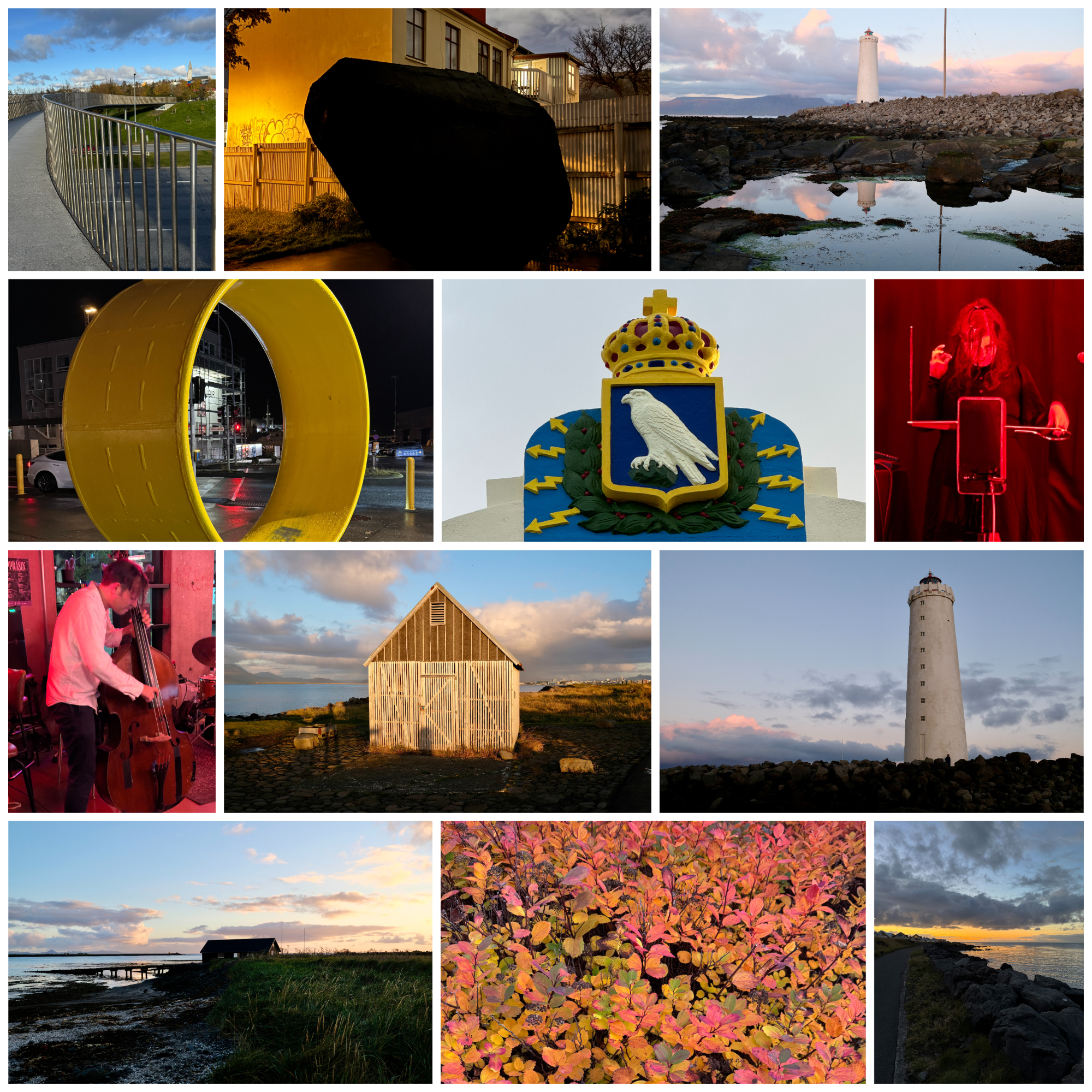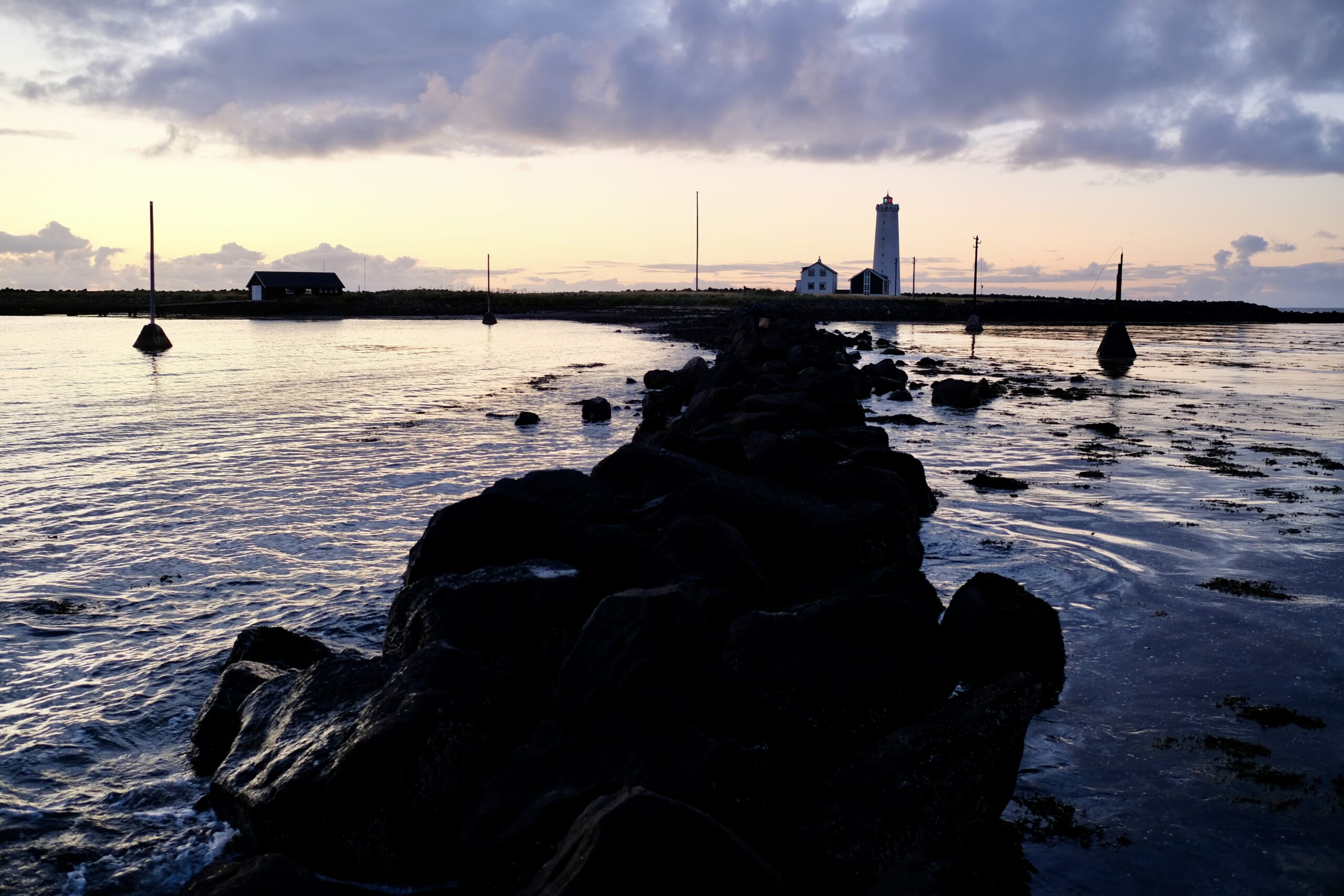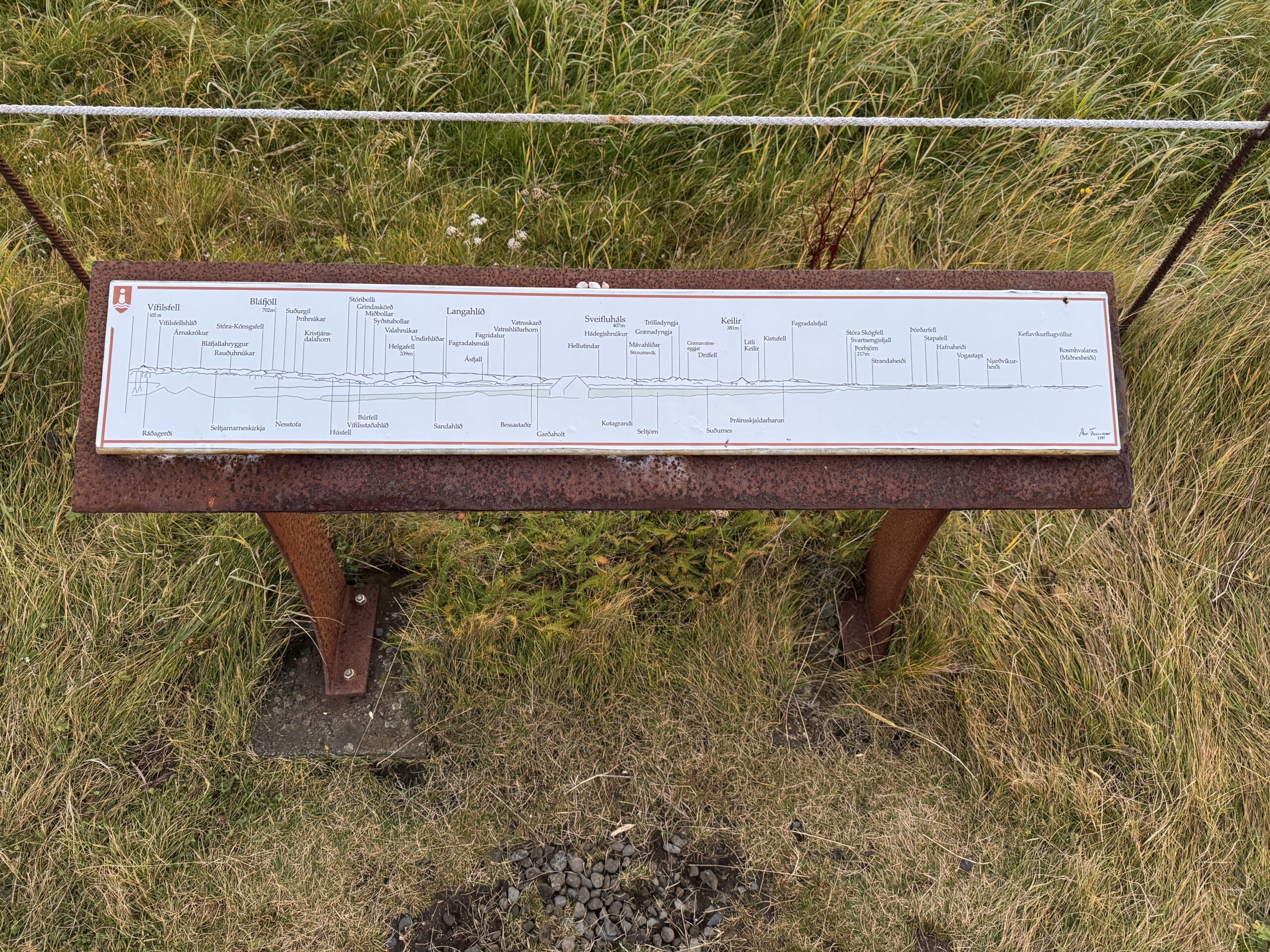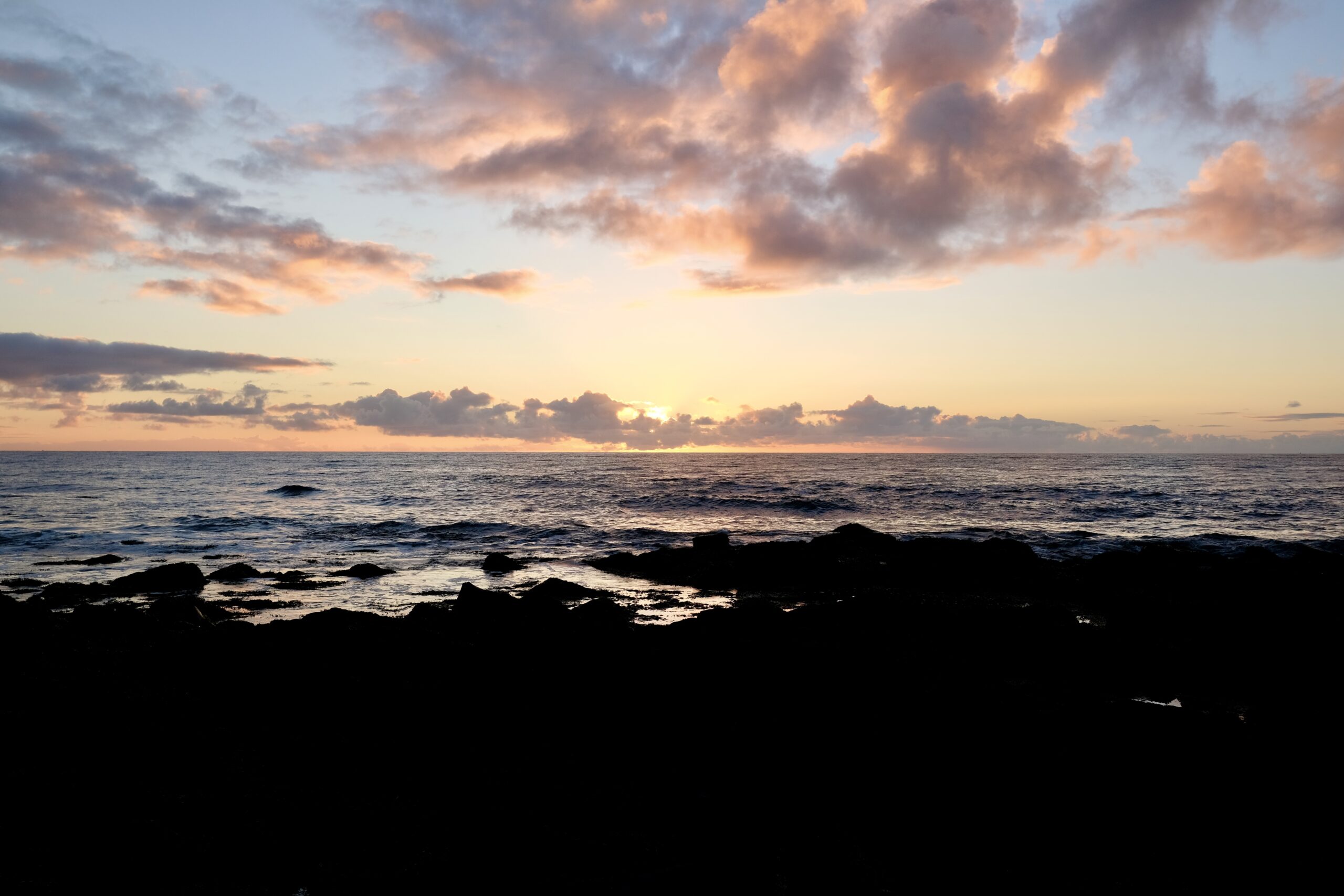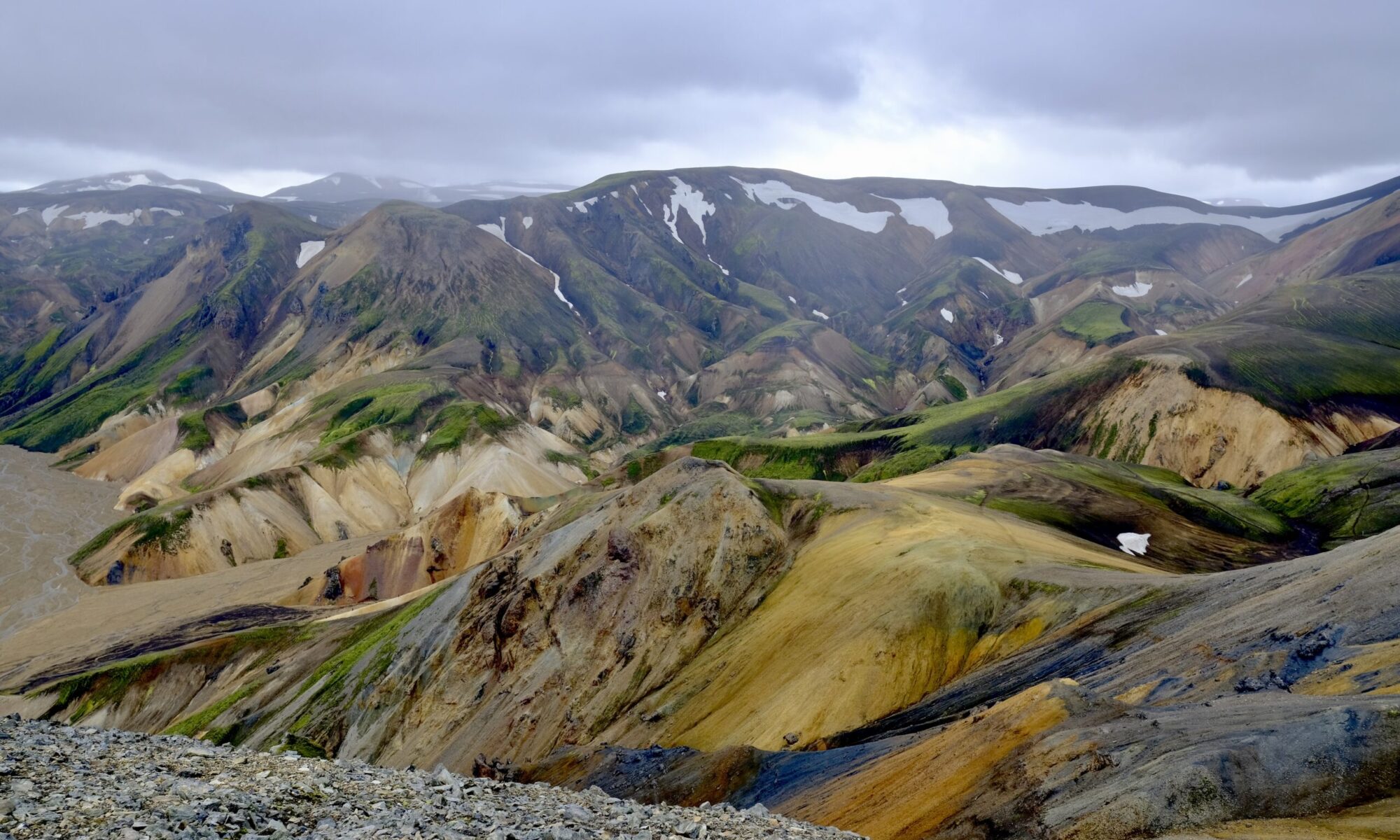

Yesterday I went on a long walk through Reykjavík, from one side of the peninsula to the other, through the wooded area of Öskjuhlíð and along the thin walking path between the ocean and the airport. I needed sunshine, air, and movement. It was the last day, of the first month, of a new year that has been marked by turbulence and uncertainty. Full moon tonight, so at least the celestial bodies are still reliable and trustworthy. At rock bottom, we can count on that.


I went to two separate talks about Greenland this week, one of them hosted by the Institute of International Affairs and the other by the Political Science Association. The latter included Karsten Peter Jensen, Head of Representation for Greenland in Reykjavík, whom I saw speak last week at the protest. I learned that his title can not be “ambassador” since Denmark retains control of foreign policy for Greenland.
Each of the talks was interesting, highlighting the absurdity of Tump’s threats, the lack of Chinese presence or investment in Greenland, and the interests and desires of the Greenlandic people. But they also both lacked any additional information about the true intentions of the American administration or the elements that might be part of a “framework of a deal” that supposedly emerged at Davos. We are still at a stage of speculation.
The first talk did engage in motivational theories, drawing a connection between Trump’s aggression and the long-standing interest by Elon Musk of having a SpaceX presence in Greenland. I don’t know. I hate Elon more than most, and have been tracking the massive corruption throughout Trump’s second term closely, but I’m not convinced that Trump’s actions towards Greenland can be explained so rationally. Increasingly, I think we have to move beyond logic in analyzing him — fewer foreign policy experts, more psychologists and therapists trained in narcissistic and abusive relationships. There are things he does for corruption, and there are things he does purely for ego, power, and punishment.
While reading an incredible detailed blog post about techniques for improving an image-to-ASCII renderer I stumbled upon an equally in-depth project by the same author about Icelandic declension, where noun forms change to communicate a syntactic function. The author of both, Alex Harri Jónsson, created a software package that would make it easier to properly represent the four different grammatical cases of Icelandic nouns. I had never considered the complexity of this before, but when an Icelandic person lists their personal details in a website or database, they provide only the normative version of their name. So if a website or app inserts their name into a sentence, it’s often the wrong variant, since the sentence structure determines the proper variant.
His post is a fascinating explainer for how this works grammatically, but also how he built an incredibly efficient JavaScript library to help programmers properly handle Icelandic names. This was partially possible because of Iceland’s Personal Names Register, which I’ve mentioned here before, that includes a record of all approved Icelandic names. One of the criteria that factors into approval is whether or not it can accommodate this grammatical declension.